Search
JOIN OUR NETWORK


Follow Us on Twitter!

Japan

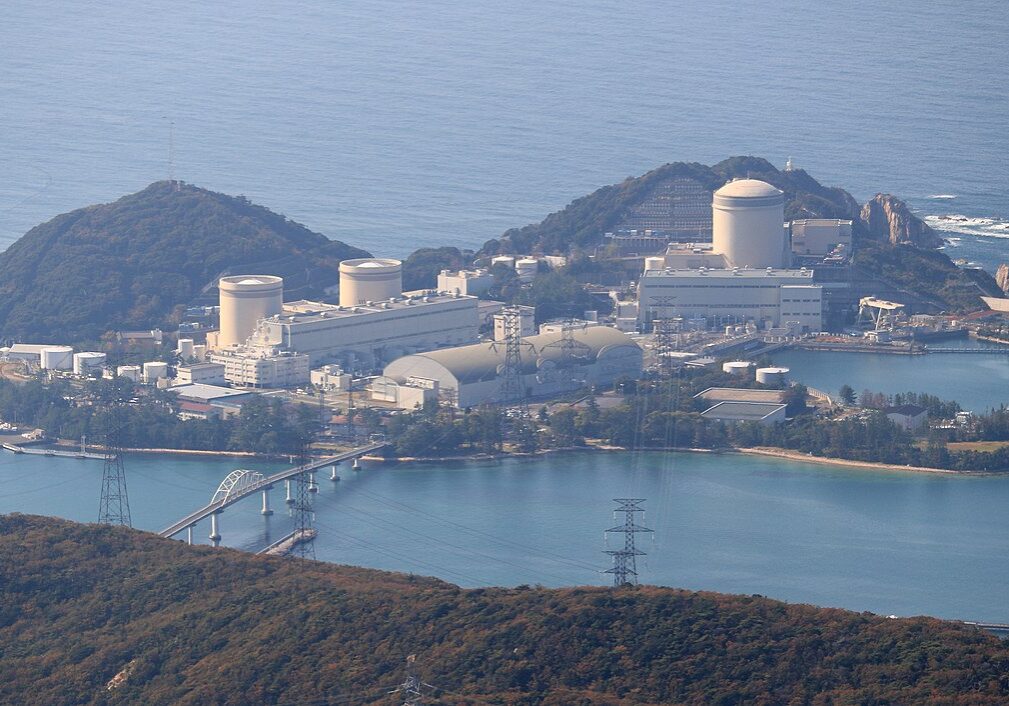
Until the Fukushima accident, Japan had 55 operating nuclear reactors as well as enrichment and reprocessing plants which had suffered a series of deadly accidents at its nuclear facilities resulting in the deaths of workers and releases of radioactivity into the environment and surrounding communities. Since the Fukushima disaster, there is growing opposition against re-opening those reactors closed for maintenance.

.................................................................................................................................................................................................................

Tuesday
Oct112011

From Hiroshima to Fukushima: Japan's Atomic Tragedies

Amy Goodman, author and host of Democracy Now!To commemorate the 66th anniversaries of the atomic bombings of Hiroshima and Nagasaki, as well as to reflect on the ongoing Fukushima nuclear catastrophe, Amy Goodman (host of the Pacifica Radio Network's Democracy Now!, as well as an author of numerous books) published a column in the Guardian on the secrecy and censorship common to the radioactive disasters of 1945 and 2011. She concludes by quoting 82 year old Sumiteru Taniguchi, director of the Nagasaki Council of A-Bomb Sufferers, who had this to say in the aftermath of the Fukushima nuclear catastrophe:

"Nuclear power and mankind cannot coexist. We survivors of the atomic bomb have said this all along. And yet, the use of nuclear power was camouflaged as 'peaceful' and continued to progress. You never know when there's going to be a natural disaster. You can never say that there will never be a nuclear accident."

Wednesday
Oct052011

Japan to offer products from disaster areas as development aid

Japan's Foreign Ministry wants to buy industrial products, including wheelchairs, and marine food products made in Iwate, Miyagi and Fukushima Prefectures, to provide them free of charge to developing countries. More

Thursday
Sep292011

Women in Japan to stage sit-in; call for global solidarity

Women in Fukushima will be sitting in at the Ministry of Economy, Trade and Industry from October 27th to 29th to demand the evacuation of Fukushima children and no resumption of nuclear power plant operation (43 of the 54 reactors are currently shuttered for scheduled maintenance.) They are asking women from all over Japan to join the sit-in on October 30th. The women point out that seven months of government refusal to evacuate Fukushima children is a crime against humanity, and it can no longer be tolerated. The women of Fukushima are calling on women around the world to act in solidarity with similar actions at the same time – whether in front of Japanese embassies or consulates or elsewhere. Shortly before the sit-in a new network – Women for a Nuclear-Free Future – will be launched in Sapporo and Osaka, Japan on October 24th and in Tokyo on November 23rd.

Friday
Sep092011

Radiation in sea at Fukushima triple earlier estimates

From NHK: "A group of Japanese researchers say that a total of 15,000 terabecquerels of radioactive substances is estimated to have been released from the crippled Fukushima Daiichi nuclear power plant into the sea. Researchers at the Japan Atomic Energy Agency, Kyoto University and other institutes made the calculation of radioactivity released from late March through April. The combined amount of iodine-131 and cesium-137 is more than triple the figure of 4,720 terabecquerels earlier estimated by Tokyo Electric Power Company, the plant operator. The utility only calculated the radioactivity from substances released from the plant into the sea in April and May. The researchers say the estimated amount of radioactivity includes a large amount that was first released into the air but entered the sea after coming down in the rain. They say they need to determine the total amount of radioactivity released from the crippled Fukushima Daiichi plant in order to accurately assess the impact of the disaster on the sea."

Tuesday
Aug302011

Japanese nuclear establishment pushes ahead on reactor sales to Vietnam and Turkey, despite Fukushima Daiichi nuclear catastrophe

The Mainichi Daily News has reported that on August 5th, the Japanese federal cabinet under then Prime Minister Naoto Kan decided to continue with proposed Japanese atomic reactor sales to Vietnam and Turkey, despite the ongoing nuclear catastrophe at Fukushima Daiichi nuclear power plant. Financing by the Japan Bank for International Cooperation (JBIC) is essential to such exports. Beyond Nuclear's Kevin Kamps, while on a speaking tour of Japan a year ago, met with JBIC officials, as well as others from the federal Ministry of Economy, Trade, and Industry (METI), urging them to not risk Japanese taxpayer dollars on such risky new reactor proposals as at the South Texas Project in the U.S. Kevin delivered a letter signed by 75 U.S. environmental groups to the Japanese officials; environmental allies from Green Action, Friends of the Earth, Citizens Nuclear Information Center, and other Japanese NGOs also attended the meeting, and made sure copies of the U.S. coalition letter were delivered to relevant federal ministers, including Prime Minister Kan (who just resigned), as well as Finance Minister Noda and METI head Kaieda -- the newly elected Prime Minister and his defeated challenger, respectively.